Vision
PPIU provides quality education based on national and international standards, with a focus on digital education and research.
About PPIU
Learn about Phnom Penh International University’s history, educational direction, and commitment to knowledge, skills, research, and professional ethics.
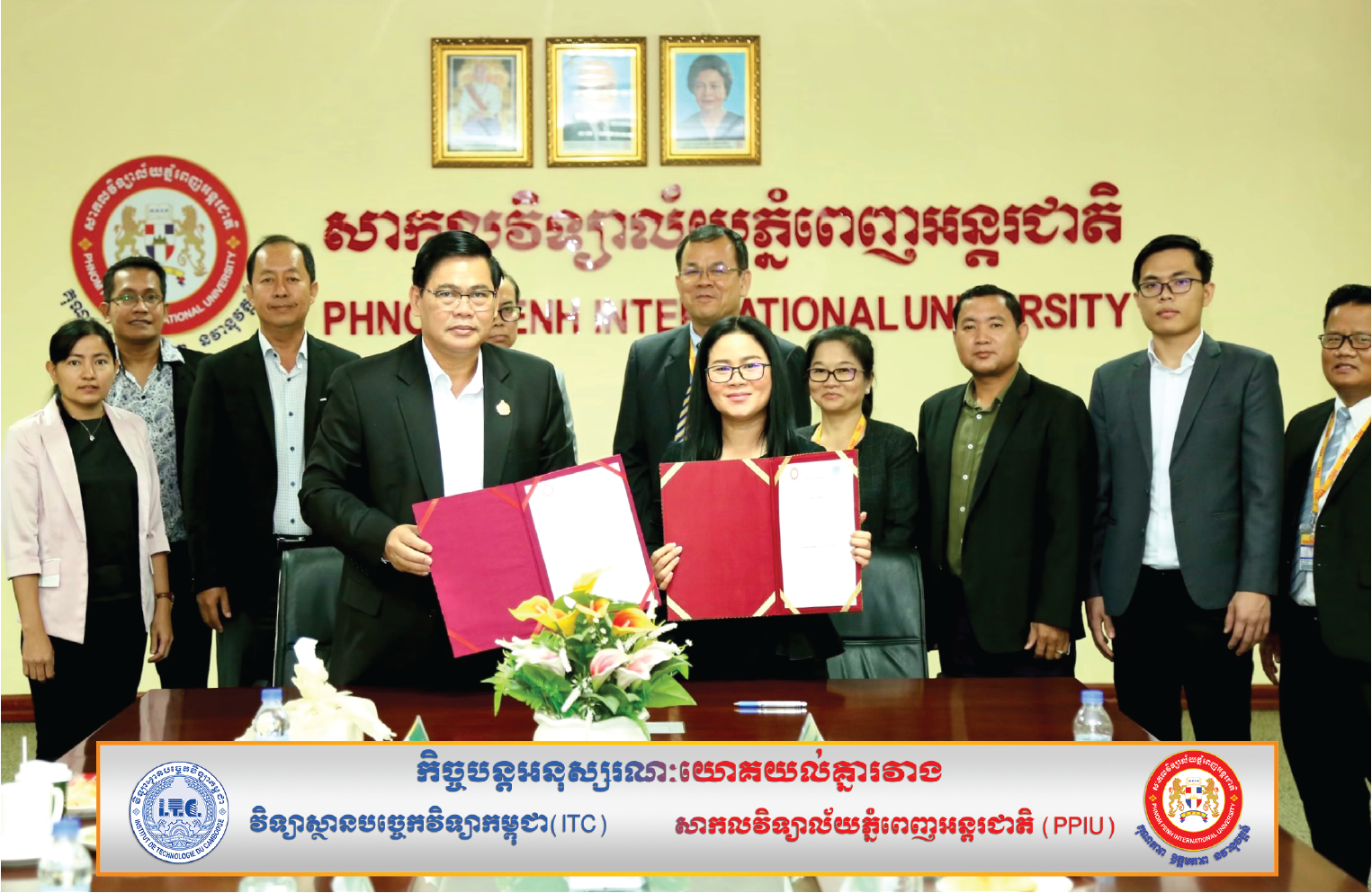
University overview
Phnom Penh International University began in 2002 as ASEAN University. The institution later became Phnom Penh International University, commonly known as PPIU.
The university’s stated direction is to provide education that integrates digital technology and research while developing knowledge, practical skills, professional quality, and ethics.
History
PPIU's published history identifies the institution's establishment and the date it received its current name.
The institution began under the name ASEAN University.
The university was renamed under Sub-Decree No. 111.
Our direction
PPIU provides quality education based on national and international standards, with a focus on digital education and research.
PPIU provides knowledge and skills by integrating digital technology and research, contributing to human-resource development with professional quality and ethics in response to the job market.
Integrity, Trust, Dignity, and Leadership—expressed together as ITDL.
Educational commitment
The university’s vision and mission place digital education and research alongside professional knowledge, practical skills, and ethical development.
Students can use the academic pages to explore PPIU's published study areas and the Admissions page to review the official bachelor preparation checklist.
Dated institutional snapshot
These are historical snapshot figures from PPIU's published Internationalisation Strategy, not live counters.
Reported by the university across its institutional history as of April 2025.
The strategy described the student community at the time of publication.
The publication reported academic and professional personnel at that time.
Source: PPIU Internationalisation Strategy, April 2025 (PDF).
Continue exploring
Review admissions guidance or contact the university for help with your questions.